Chile Copper Mining Crisis: Codelco Strikes, Production Cuts & Water Shortages
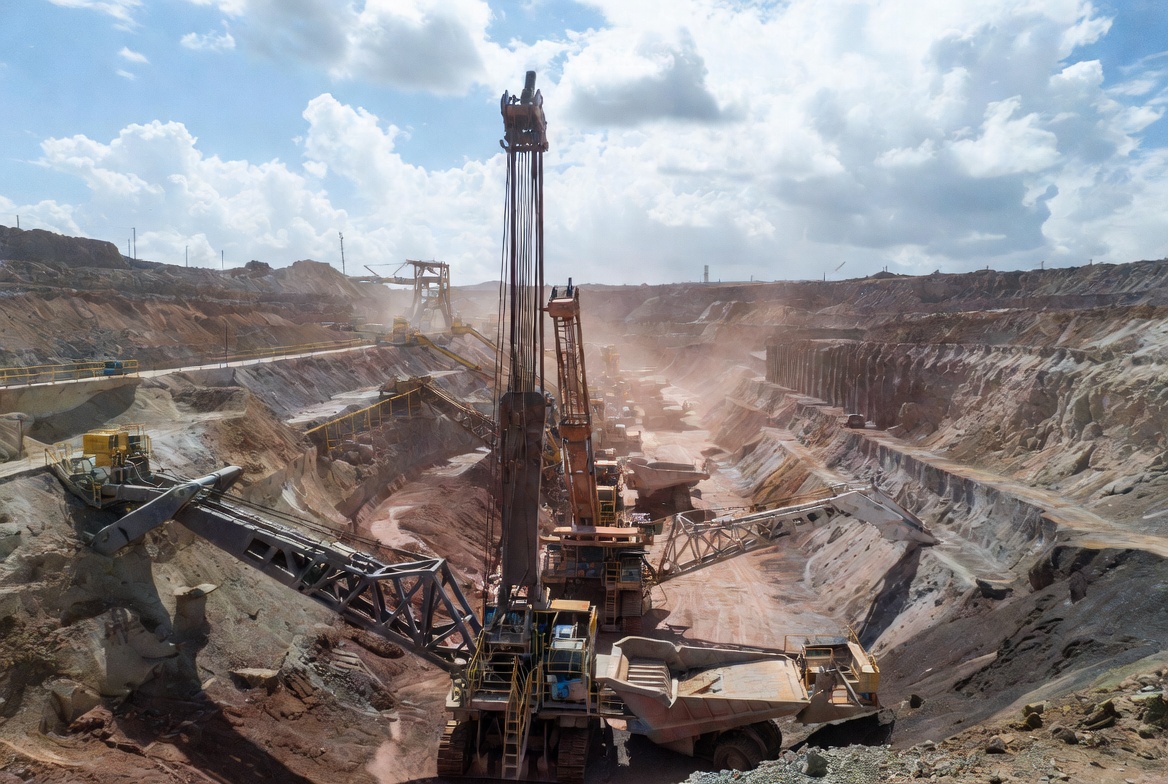
Chile Copper Mining Crisis: Codelco Strikes, Production Cuts & Water Shortages
Chile produces one-quarter of the world’s copper. When the Atacama Desert sneezes, global markets catch pneumonia. Yet right now, Chile’s mining sector isn’t just sneezing—it’s suffering a full-blown respiratory crisis that threatens to choke global copper supply for years to come.
At the center of this storm sits Codelco, the world’s largest copper producer and Chile’s state-owned mining giant. What happens to Codelco doesn’t stay in Chile. It reverberates through London Metal Exchange prices, Chinese manufacturing costs, and the stock prices of every major copper miner on the planet.
For investors, the Chile crisis represents both acute risk and potential opportunity. Understanding the magnitude of the disruptions—and their likely trajectory—is essential for anyone with capital allocated to copper markets.
Codelco in Crisis: The State of State Mining
A Legacy Under Siege
Codelco isn’t just another mining company. It’s a Chilean institution—100% state-owned, contributing roughly 10% of the government’s fiscal revenue, and historically the backbone of global copper supply. For decades, Codelco’s mines—Chuquicamata, El Teniente, Andina—were synonymous with copper production excellence.
That legacy is now unraveling.
The Production Collapse
Codelco’s output has been in freefall. After peaking at 1.8 million tonnes in 2018, production has declined relentlessly:
| Year | Codelco Production (kt) | YoY Change | Global Market Share |
|---|---|---|---|
| 2020 | 1,734 | -2.1% | 8.4% |
| 2021 | 1,728 | -0.3% | 7.9% |
| 2022 | 1,555 | -10.0% | 7.0% |
| 2023 | 1,325 | -14.8% | 5.8% |
| 2024 | 1,282 | -3.2% | 5.6% |
| 2025 (Est.) | 1,200 | -6.4% | 5.2% |
Sources: Codelco annual reports, Cochilco, ICSG
The numbers tell a devastating story: Codelco has lost 580,000 tonnes of annual production since 2018—equivalent to shutting down the world’s third-largest copper mine. The company that once dominated global supply now struggles to maintain relevance.
The Debt Trap
Production declines would be manageable if accompanied by financial discipline. Instead, Codelco has accumulated a debt mountain that threatens the company’s solvency and Chile’s sovereign creditworthiness.
| Year | Total Debt (USD Billions) | Debt/EBITDA | Interest Coverage |
|---|---|---|---|
| 2020 | $12.8B | 4.2x | 3.1x |
| 2021 | $14.2B | 3.8x | 3.5x |
| 2022 | $15.9B | 5.6x | 2.4x |
| 2023 | $17.4B | 7.2x | 1.8x |
| 2024 | $18.7B | 8.5x | 1.4x |
| 2025 (Proj.) | $20.0B+ | 9.0x+ | <1.0x |
Sources: Codelco financial statements, Moody’s, Fitch
With debt approaching $19 billion and interest coverage collapsing below sustainable levels, Codelco faces a liquidity crisis. The company is now borrowing simply to service existing debt—a death spiral that ends in state bailout or default.
Mine-by-Mine Breakdown
| Mine | 2018 Peak (kt) | 2024 Output (kt) | Decline | Primary Issues |
|---|---|---|---|---|
| El Teniente | 480 | 470 | -2% | Aging infrastructure, NML delays |
| Chuquicamata | 360 | 270 | -25% | Open-pit closure, underground ramp-up |
| Radomiro Tomic | 310 | 250 | -19% | Grade decline, water restrictions |
| Andina | 220 | 175 | -20% | Glacier protection restrictions |
| Gabriela Mistral | 170 | 117 | -31% | Leach pad exhaustion |
| Ministro Hales | 180 | 0 | -100% | Temporary closure (technical issues) |
Source: Codelco operational reports
The concentration of decline at specific operations reveals structural problems. Chuquicamata’s transition from iconic open-pit to underground mining has been plagued by delays and cost overruns. Gabriela Mistral’s leaching operations face exhaustion. Andina battles environmental restrictions around glacier protection.
Labor Unrest & Strike Risks
The Powder Keg
Chilean copper miners are among the best-paid industrial workers in Latin America—and they’re prepared to fight to keep it that way. With copper prices elevated and Codelco in financial distress, the stage is set for explosive labor conflicts.
Recent Strike History
Chuquicamata Strike (2019):
- Duration: 14 days
- Impact: ~20,000 tonnes lost production
- Resolution: Wage increases + signing bonuses
El Teniente Disruptions (2022-2023):
- Multiple work stoppages over safety concerns
- Underground union demands for hazard pay increases
- Productivity losses from labor actions
Andina Strike Threat (2024):
- Union rejection of initial wage offer
- Work-to-rule campaign impacting output
- Negotiations ongoing
The 2025-2026 Negotiation Calendar
| Mine | Union | Contract Expiry | Workers | Risk Level |
|---|---|---|---|---|
| El Teniente | Union #1 | April 2025 | 4,200 | HIGH |
| Chuquicamata | Confederation | August 2025 | 3,800 | HIGH |
| Andina | Site Unions | December 2025 | 2,100 | MEDIUM |
| Radomiro Tomic | Multiple | March 2026 | 1,900 | MEDIUM |
| Gabriela Mistral | Single Union | June 2026 | 850 | LOW |
Sources: Union announcements, Codelco disclosures
Over 12,000 Codelco workers face contract negotiations through 2026. With the company financially stressed and workers emboldened by high copper prices, strikes are not just possible—they’re probable.
Wage Demands vs. Reality
The math is brutal for Codelco:
- Union demands: 5-8% annual wage increases, inflation adjustments, improved benefits
- Codelco’s position: Cash flow negative, borrowing to pay operating costs
- Copper price context: $9,000-10,000/t supports worker demands; sub-$7,500/t would justify austerity
This fundamental disconnect guarantees conflict. Expect multiple strikes at Codelco operations through 2026, each potentially removing 10,000-30,000 tonnes of monthly production.
The Water Problem
Drought in the Desert
Northern Chile’s Atacama Desert hosts the world’s most copper-rich geology—and the world’s most severe water stress. The region is experiencing a 14-year megadrought, the longest in recorded history, that shows no signs of abating.
Water Constraints by the Numbers
| Metric | Historical (2010) | Current (2025) | Change |
|---|---|---|---|
| Atacama Annual Rainfall | 35mm | 12mm | -66% |
| Groundwater Levels | Baseline | -45m | Critical decline |
| Codelco Water Consumption | 14.2 m³/s | 9.8 m³/s | -31% (forced) |
| Desalination Capacity | 1.2 m³/s | 3.8 m³/s | +217% |
Sources: Chilean Meteorological Service, Codelco sustainability reports
The water crisis has forced Codelco to slash consumption by nearly one-third—directly impacting production capacity. Lower water availability means lower ore throughput, reduced leaching efficiency, and processing bottlenecks.
The Desalination Gamble
Codelco’s answer is massive desalination investment—projects totaling $8+ billion that strain an already-leveraged balance sheet:
| Project | Cost | Capacity | Status | Timeline |
|---|---|---|---|---|
| Desaladoras del Norte | $1.2B | 1.2 m³/s | Operating | 2022 |
| Desaladora Codelco Norte | $2.1B | 1.5 m³/s | Construction | 2026-2027 |
| Traslado Marino | $3.5B | Pipeline | Planning | 2027-2029 |
| Expansion Phase 2 | $1.5B | 0.8 m³/s | Feasibility | 2029+ |
The brutal reality: Desalination is energy-intensive, expensive, and insufficient. Even with full buildout, Codelco will face chronic water constraints through the decade.
Impact on Margins
Desalinated water costs $3-5 per cubic meter versus $0.50-1.00 for groundwater. For a mine processing 100,000 tonnes of ore daily, this adds $15-25 million annually in operating costs—further eroding Codelco’s already-negative cash flow.
Regulatory & Tax Changes
The Royalty Reckoning
Chile’s government has not been idle while Codelco collapses. The response: extract more revenue from the private miners who remain profitable. The 2023-2024 mining royalty reforms impose punitive taxes:
| Copper Price | Old Royalty | New Royalty | Effective Tax Rate |
|---|---|---|---|
| $3.50/lb | 5% | 8% | ~45% |
| $4.00/lb | 5% | 14% | ~52% |
| $4.50/lb | 5% | 26% | ~62% |
| $5.00/lb | 5% | 32% | ~67% |
Note: Includes corporate income tax + royalty + mining-specific taxes
At current copper prices (~$4.50/lb), Chilean miners face effective tax rates of 60%+—among the highest in the world. This directly reduces investment economics and threatens future supply growth.
Permitting Paralysis
Environmental permitting delays have become the norm:
- Average permitting time: 8-12 years (versus 3-5 years in 2000s)
- Projects stalled: $20+ billion in copper developments on hold
- Success rate: <30% of applications ultimately approved
Codelco itself has faced major setbacks, with the El Teniente expansion delayed repeatedly due to environmental opposition and glacier protection laws.
Constitutional Threats
The ghost of constitutional reform haunts Chilean mining. While the 2022 constitutional rewrite was rejected, the 2024-2025 process threatens:
- Enhanced indigenous consultation rights (project delays)
- Glacier protection restrictions (existing mine constraints)
- Water rights nationalization (supply uncertainty)
- State ownership mandates (expropriation risk)
Investment implication: Chile’s once-legendary mining jurisdiction stability is eroding. Political risk premiums for Chilean copper assets are rising—and may rise further.
Private Miners Also Struggling
BHP’s Escondida Warning
Even the mighty Escondida—world’s largest copper mine, 57.5% owned by BHP—is showing cracks:
- Grade decline: From 1.5% Cu (2000s) to 0.60-0.65% today
- Water costs: $4+ billion desalination investment required
- Labor tensions: 2,500+ workers with expiring contracts in 2025
- 2024 production: Down ~5% year-over-year
BHP has warned that without major investment, Escondida production could decline 15-20% by 2030. That’s 200,000+ tonnes of lost annual supply from a single mine.
Anglo American’s Los Bronces Woes
Anglo American’s Los Bronces operation faces existential challenges:
- Water crisis: Severe restrictions on freshwater access
- Grade collapse: Processing lower-grade ore to maintain volume
- Project delays: Los Bronces Integrated Project stalled
- Strategic review: Anglo considering divestment
Los Bronces produced ~320,000 tonnes in 2024—down from 400,000+ tonnes at peak. The mine that once anchored Anglo’s copper division is now a problem asset.
Antofagasta’s Constraints
Antofagasta Plc, the London-listed Chilean miner, faces similar headwinds:
- Centinela: Water restrictions limiting expansion
- Los Pelambres: Pipeline disputes with communities
- Zaldívar: Declining grades, rising costs
2024 production came in at the low end of guidance. 2025 guidance was cut mid-year as operational challenges mounted.
Production Impact Analysis
Chile’s Shrinking Share
Chile’s dominance of global copper supply is fading:
| Year | Chile Production (kt) | Global Share | Rank |
|---|---|---|---|
| 2010 | 5,520 | 34% | #1 |
| 2015 | 5,760 | 29% | #1 |
| 2020 | 5,730 | 28% | #1 |
| 2023 | 5,100 | 23% | #1 |
| 2024 | 5,280 | 24% | #1 |
| 2025 (Est.) | 5,100 | 22% | #1 |
| 2026 (Proj.) | 4,950 | 21% | #1 |
Sources: Cochilco, ICSG, Wood Mackenzie
The trend is unmistakable: Chile is producing less copper in 2026 than it did in 2010, while global demand has grown 35%. The country’s share of world production has fallen from 34% to ~21% and continues declining.
Global Supply Implications
When the world’s largest producer systematically underperforms, the entire market feels it:
| Scenario | Chile 2026 Output | Global Market Impact |
|---|---|---|
| Base Case | 4,950 kt | -200 kt vs. trend; prices supported |
| Strike Disruption | 4,700 kt | -450 kt; acute tightness |
| Water Crisis | 4,600 kt | -550 kt; major deficit |
| Combined Stress | 4,300 kt | -850 kt; price spike likely |
Chile’s travails remove the “margin of safety” from global copper supply. With inventories already at historic lows, any disruption triggers price volatility.
Investment Implications
The Concentration Risk
Investors must confront an uncomfortable reality: 6 of the world’s top 10 copper mines are in Chile. When Chile struggles, 30% of global Tier 1 copper production faces disruption.
| Mine | Owner | 2024 Production | Chile Risk Exposure |
|---|---|---|---|
| Escondida | BHP/Rio Tinto | 1,050 kt | HIGH |
| Collahuasi | Glencore/Anglo | 600 kt | HIGH |
| El Teniente | Codelco | 470 kt | CRITICAL |
| Los Bronces | Anglo American | 320 kt | HIGH |
| Chuquicamata | Codelco | 270 kt | CRITICAL |
| Escondida Sur | BHP | 180 kt | HIGH |
Stock-Specific Exposure
| Company | Chile % of Copper Output | Key Assets | Risk Rating |
|---|---|---|---|
| Codelco | 100% | El Teniente, Chuquicamata, Andina | ⚠️ DISTRESS |
| BHP | ~40% | Escondida, Spence, Cerro Colorado | ⚠️ HIGH |
| Anglo American | ~35% | Los Bronces, Collahuasi, El Soldado | ⚠️ HIGH |
| Antofagasta | 100% | Los Pelambres, Centinela, Zaldívar | ⚠️ HIGH |
| Glencore | ~20% | Collahuasi, Lomas Bayas, Alumbrera | ⚠️ MEDIUM |
| Freeport-McMoRan | 0% | Grasberg, Morenci, Cerro Verde | ✅ LOW |
The Opportunity in Chaos
For contrarian investors, Chile’s crisis creates potential entry points:
- Non-Chilean copper assets trade at premiums as jurisdictional arbitrage intensifies
- Tier 1 assets in stable jurisdictions (Freeport’s US operations, Canadian development projects) gain relative value
- Codelco’s distress may force asset sales—potentially attractive for cashed-up acquirers
The risk/reward calculus: Chilean copper exposure demands higher returns to compensate for political, operational, and regulatory uncertainty.
Timeline: Key Dates to Watch
═══════════════════════════════════════════════════════════════════════
CHILE COPPER CRISIS: CRITICAL DATES 2025-2026
═══════════════════════════════════════════════════════════════════════

2025 ─┬─ Q1: El Teniente union negotiations begin (4,200 workers)
      ├─ Q2: Codelco Q1 earnings - debt covenant review
      ├─ Q3: Chuquicamata contract expiry (3,800 workers)
      └─ Q4: Desaladora Codelco Norte commissioning deadline

2026 ─┬─ Q1: Andina union negotiations (2,100 workers)
      ├─ Q2: Chile constitutional reform vote (mining provisions)
      ├─ Q3: Water rationing season peak (production impacts)
      └─ Q4: Radomiro Tomic contract expiry (1,900 workers)

ONGOING MONITORS:
• Weekly: Codelco production reports
• Monthly: Chile export statistics
• Quarterly: Union statements and strike threats
• Annually: Royalty/regulatory changes

═══════════════════════════════════════════════════════════════════════
Immediate Risk Triggers (Next 90 Days)
- El Teniente wage negotiations: Deadline April 2025—strike risk elevated
- Codelco Q1 2025 results: Debt covenant compliance under scrutiny
- Water authority rulings: Potential additional restrictions on freshwater use
- Government funding discussions: Will Santiago bail out Codelco?
Conclusion
Chile’s copper crisis is not a temporary disruption—it’s a structural deterioration that threatens global supply security. Codelco, the once-mighty state miner, faces existential financial and operational challenges. Private miners battle water constraints, labor unrest, and punitive taxation. The country that built its economy on copper now struggles to maintain production.
For copper investors, the implications are clear:
-
Supply risk is concentrated: Six of the world’s top ten mines are in a jurisdiction experiencing simultaneous operational, financial, and political stress.
-
The deficit is structural: Chilean production is declining while global demand accelerates. This gap cannot be filled quickly from other sources.
-
Political risk is rising: Resource nationalism, environmental restrictions, and constitutional uncertainty create a toxic investment climate.
-
Opportunity favors the prepared: Companies with non-Chilean Tier 1 assets will command premium valuations. Distressed Chilean assets may create acquisition opportunities for well-capitalized buyers.
The window for positioning is narrowing. As Codelco’s crisis deepens and Chile’s production share continues declining, the global copper market will be forced to price in permanent supply scarcity. Investors who understand this dynamic before the broader market will be positioned to capture outsized returns.
Chile’s copper dominance is ending. The question for investors is not whether this matters—it absolutely does—but how to position portfolios for the new reality of a supply-constrained copper market.
Disclaimer: This analysis is for informational purposes only and does not constitute investment advice. Copper investments carry significant risks including commodity price volatility, operational risks, and geopolitical exposures. Past performance does not guarantee future results.